The Memory Merchants: Inside the Creator Economy Keeping Forgotten Internet Alive
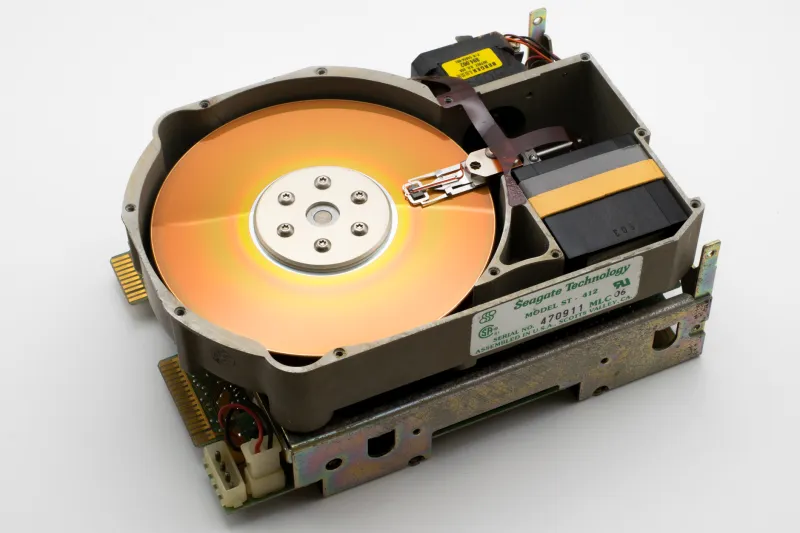
Somewhere in a rented server rack in Ohio, the complete archived content of a mid-2000s anime forum — 14 years of posts, fan art, translation debates, and inside jokes — is sitting intact because one person decided it was worth saving and figured out how to get their followers to fund the hard drive space.
This is the preservation economy. It's weirder, more sustainable, and more culturally important than most people realize.
The Institutional Gap
Let's start with why this creator niche exists in the first place. The Library of Congress has a digital preservation mandate. The Internet Archive does extraordinary work with the resources it has. Various universities maintain digital humanities programs. But the sheer volume of internet culture produced over the past 30 years — and the speed at which it disappears — has outpaced what any institution can realistically address.
The gaps are enormous. Fan communities. Small gaming forums. Defunct streaming archives. Flash game libraries. Geocities neighborhoods. Early YouTube comment threads. Personal homepages. The overwhelming majority of this material has no institutional advocate, no preservation budget, and no one officially responsible for making sure it survives.
Into that gap stepped a loose network of individuals who turned out to be both deeply obsessive and surprisingly entrepreneurial.
The Patreon Archaeologists
Jordan M., who runs a preservation-focused channel under the name Cachewright, started archiving defunct gaming websites in 2018 as a personal project. By 2021, he'd launched a Patreon that now supports his work full-time — over 2,000 subscribers paying between $5 and $25 a month to fund what he describes as "structured digital hoarding with documentation."
His model is straightforward: each month, he identifies a category of endangered internet content, archives it systematically, documents the process in a video series, and makes the archived material available to subscribers. Recent projects have included recovering the complete forum history of a now-defunct indie game developer, cataloging every known screenshot from a 2003 browser MMO, and reconstructing the update history of an abandoned webcomic that ran for 11 years before its host went dark.
"The weird thing is, I thought maybe a few hundred people would care," Jordan told us. "Turns out there are thousands of people who feel this low-level grief about losing pieces of the internet they grew up with, and they'll pay actual money to know someone is doing something about it."
That emotional hook — nostalgia weaponized as a subscription model — is central to how preservation creators build audiences. The content itself can be arcane. The feeling it taps into is universal.
Gaming Assets and the Niche Within a Niche
If general digital preservation is a niche, gaming-specific preservation is a niche within a niche — and it has its own distinct creator economy.
A collective called PixelVault has spent four years systematically recovering lost assets from cancelled and discontinued games: concept art, pre-release builds, developer commentary, promotional materials. Their work lives on a subscriber-supported wiki and a Patreon that funds server costs, legal consultations (a necessary expense when you're handling copyrighted material), and the occasional acquisition of physical media from estate sales and developer auctions.
The legal terrain here is genuinely complicated. Preservation creators navigate a web of copyright law, DMCA risk, and fair use arguments that would give most creators a headache. Several have received cease-and-desist letters. A few have had to take down material. But the community has developed informal legal expertise over time, and there's a growing network of IP attorneys who specialize in exactly this kind of work.
"We operate in a gray zone and we know it," said one PixelVault contributor. "But so does everyone who cares about this stuff. The alternative is that it just disappears."
NFTs, Controversy, and the Monetization Debate
Not every preservation creator has taken the Patreon route. A subset of the community experimented with NFT-based models during the 2021-2022 boom — minting authenticated digital artifacts, rare screenshots, and recovered assets as tokens. The results were mixed, to put it diplomatically.
Some creators made significant money. Others found that the NFT framing alienated the preservation community's core audience, which tends to be philosophically opposed to anything that restricts access to recovered material. The underlying tension — between making preservation economically sustainable and keeping preserved material freely accessible — hasn't been resolved, and it probably won't be.
The more durable models seem to be the ones built on direct community support: Patreon, Ko-fi, direct donations, and in some cases, merchandise. A preservation creator who archives defunct streaming content has built a small but loyal following that funds her work through a combination of monthly subscriptions and one-time donations tied to specific recovery projects. She pitches individual archives like crowdfunding campaigns: "Help me recover the complete VOD archive of this channel before the server contract expires in 60 days."
The urgency is real. That's part of what makes it work.
The Unexpected Audiences
One of the more surprising developments in the preservation creator space is who's actually showing up to support this work. Academic researchers. Game developers who want access to the history of their own medium. Journalists. Documentary filmmakers. Former community members who'd given up on ever seeing their old spaces again.
Jordan from Cachewright described getting an email from a woman in her 40s who'd been a moderator on one of the forums he archived. She hadn't thought about it in 15 years. Finding it intact — posts, avatars, arguments, jokes — made her cry.
"That's the whole thing," he said. "This isn't just data. It's people's actual lives."
Why This Matters to the Rest of Us
For the CGI XIX audience — people who've watched platforms rise and collapse, who've seen games disappear from storefronts and streams vanish overnight — the preservation economy is something more than a quirky creator niche. It's a response to a real and ongoing loss.
The internet doesn't remember things automatically. It forgets constantly, indifferently, and permanently. The people building sustainable livelihoods around the work of remembering are doing something that no algorithm, no platform, and no institution has figured out how to do at scale.
They're doing it because they care. And increasingly, they've found enough other people who care to make it worth doing full-time.